Some years ago, one of those unwelcome thoughts that pops into my head at 3 am was: in the event that the house caught fire, and assuming that loved ones, pets, etc. were safe, what would I try to save? Failing that, what would be the most devastating thing to lose in a fire?
Money, documents, credit cards? Well there would be some inconvenience, but insurance would cover most of the losses. Jewellery? Paintings and ornaments? Hobby stuff? Yes of course, but as a photographer, I eventually decided that most irreplaceable would be my collection of 6,000 odd slides and some 2,000 prints. Our photos represent some of our most cherished moments from our past: friends, relatives, kids, pets, places, holidays… yes, memories.
Furthermore, it doesn’t take a fire to destroy these things. They are deteriorating with age – mould, creasing, fading, scratching, finger marks, dog ears, colour shifting… the list is endless. Fortunately for me, the answer came with the digital revolution. I bought a flatbed scanner for photo prints, a slide scanner for negatives and slides, and started scanning away; storing the images to my hard drive, and giving copies on CD to friends for extra security.
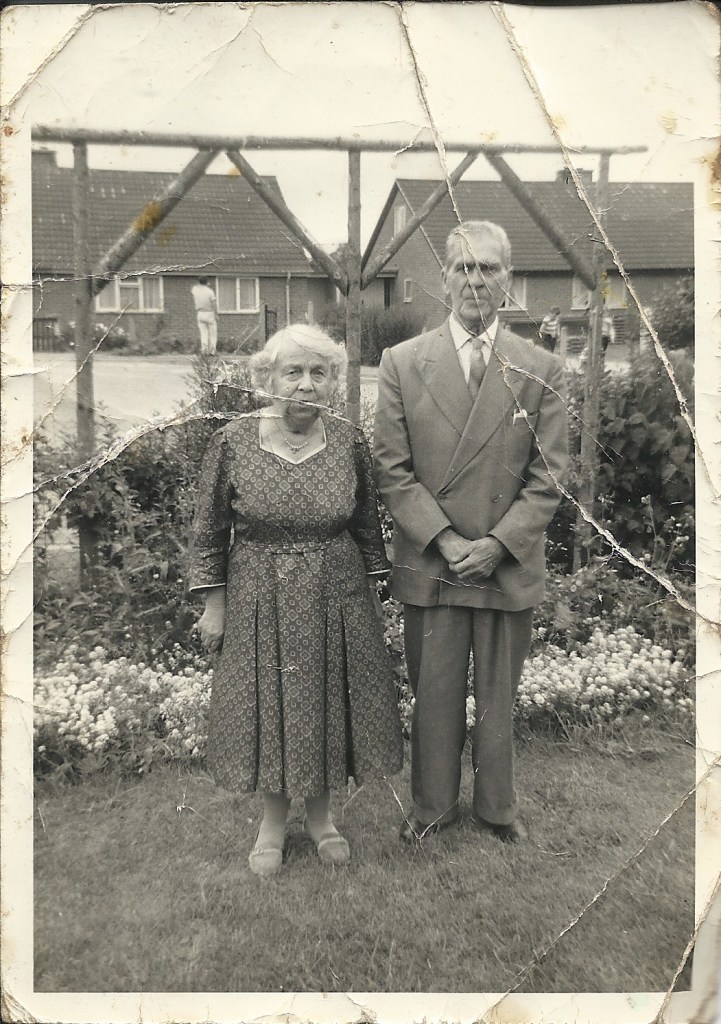
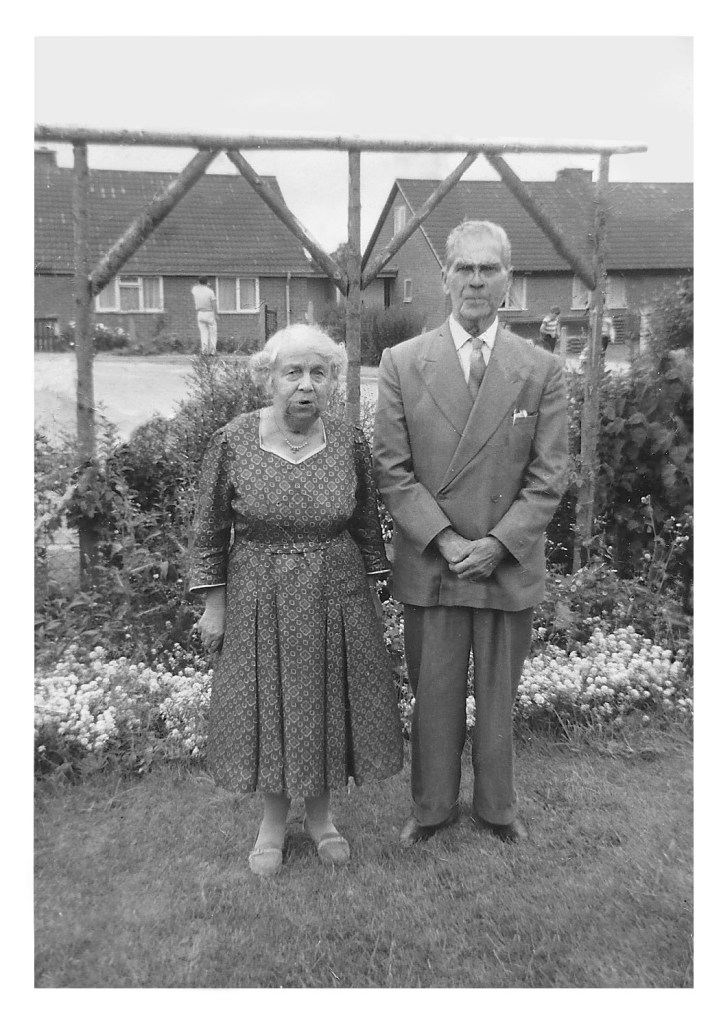
In the process, I learned how to use Photoshop to compensate for some of the deteriorations, so the digital versions in many cases were actual improvements on the originals. Here’s some examples of old prints, before and after fixing.
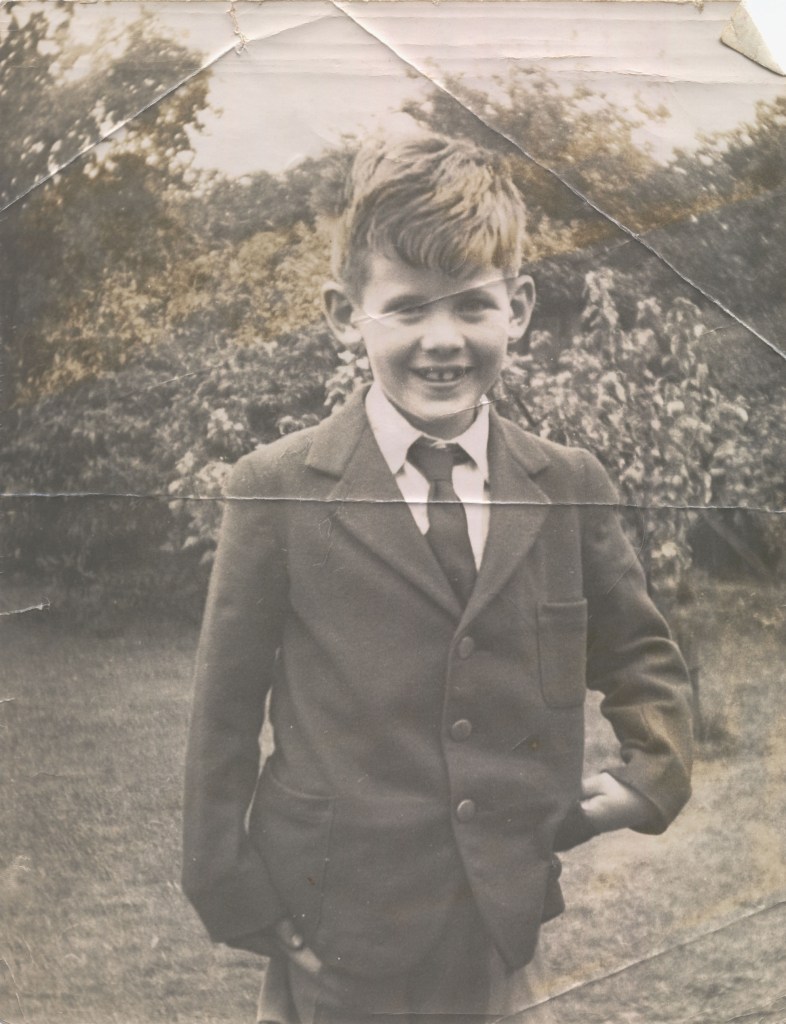
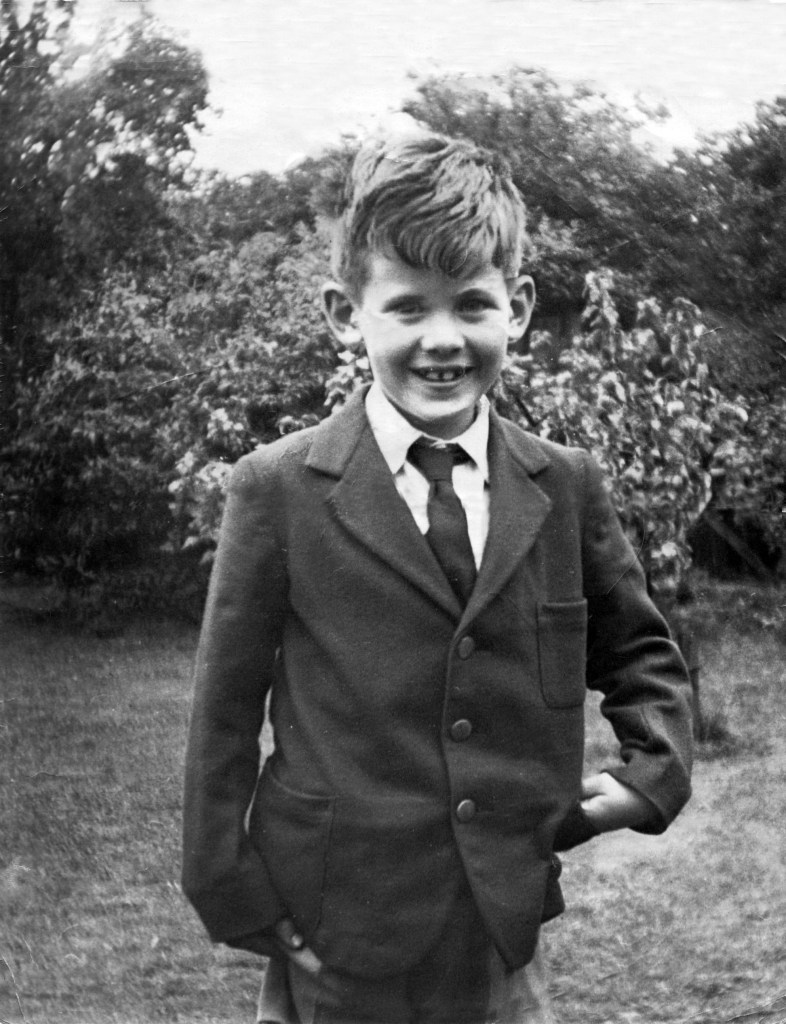
That was a five year old me, so the original had sat in a drawer for best part of fifty years. The next one was my Grandma and Granddad… similar story.
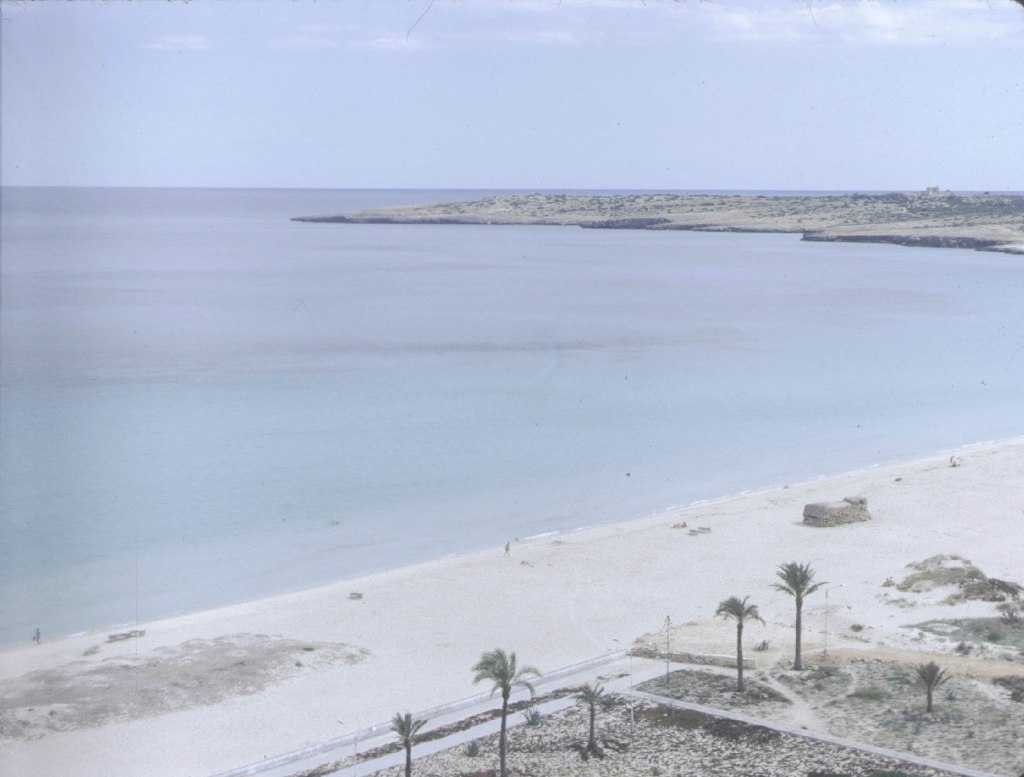
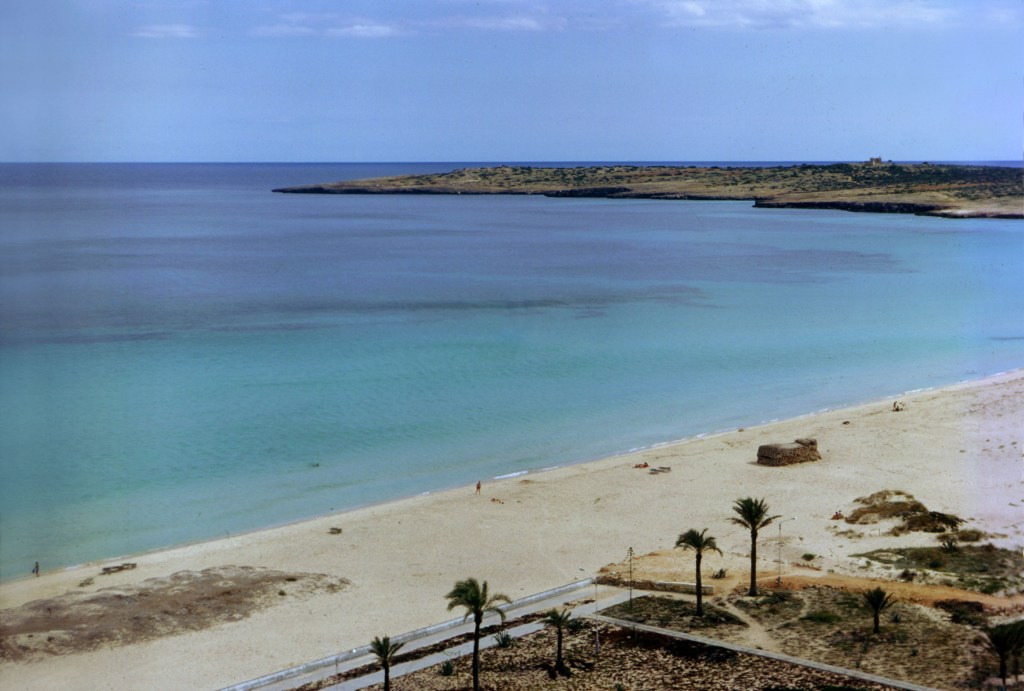
Here’s a before and after of a faded slide from a 1969 holiday in Majorca.
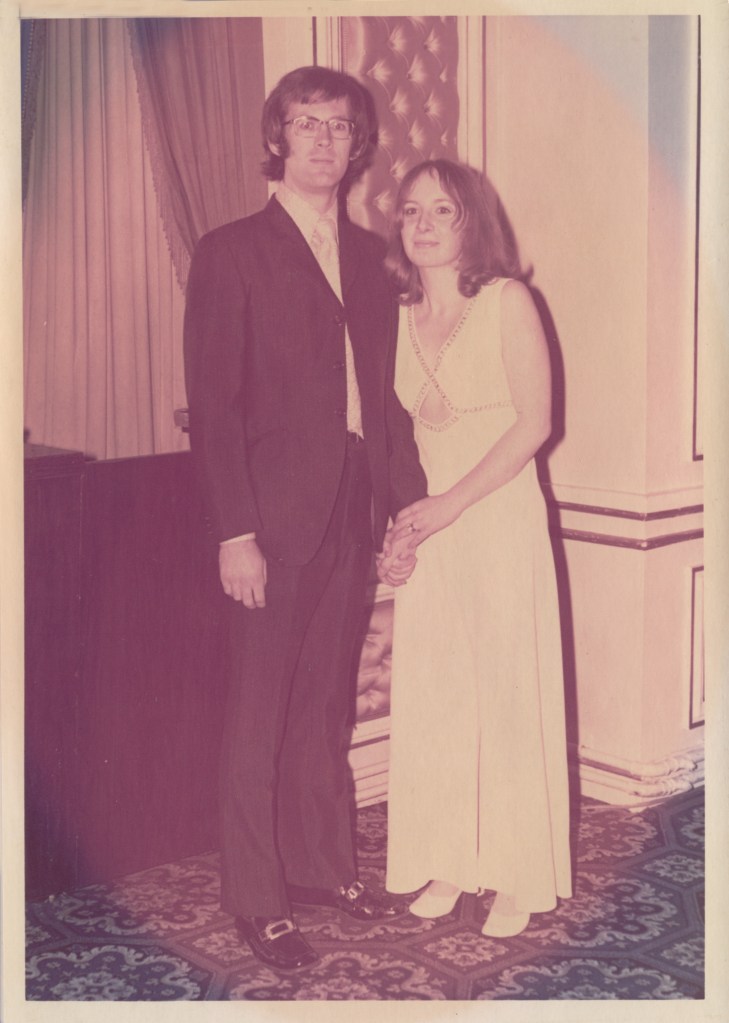
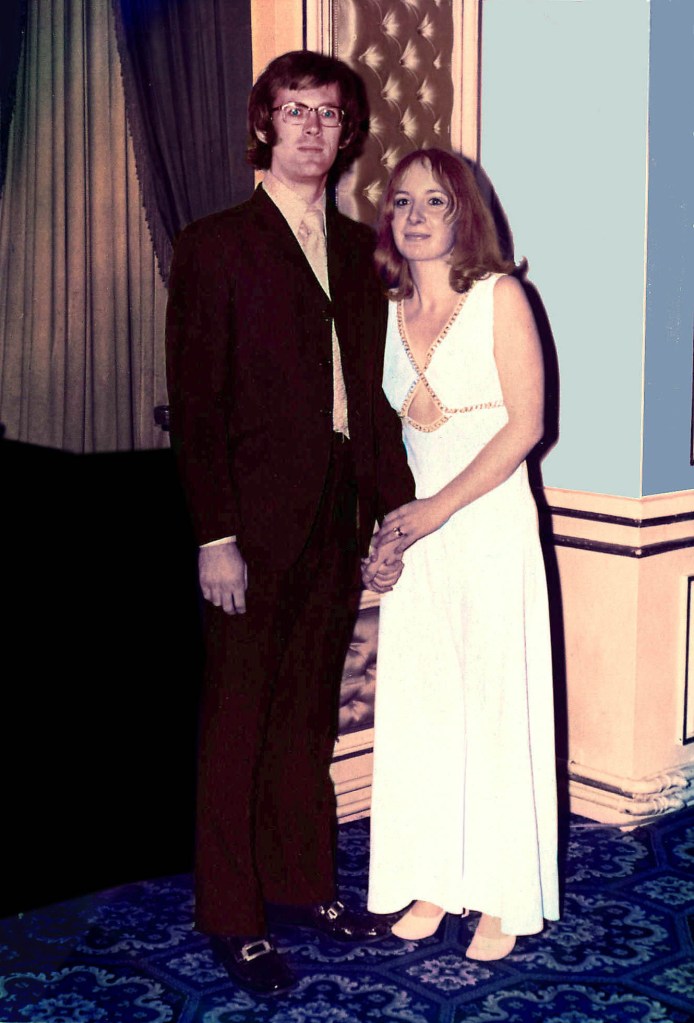
And here’s a commercial photo of my wife and I, taken soon after we got married, so probably December 1970. This one had sat in a frame with an oval window for 30-odd years.
Then after I retired, it occurred to me that I could offer this service to others, and perhaps even augment my meagre pension. I set up a web site to publicise the service, and pointed out that not only did it provide an opportunity to reverse the ravages of time, but it would provide a digital backup of cherished photos in case of loss or accidental damage. Furthermore the digital version has additional benefits of being able to be attached to emails, enlarged, printed on greetings cards, create albums and even ‘slide shows’, as well as make more copies for additional security. More enterprising people could even get creative with their pics in photo-manipulation software.
So I published the web site, and sat back waiting for the commissions to come in… but nothing happened. So I then spent some time adding the link to other related web sites, in exchange for adding their link to my web site. Still nothing. Then I read about SEO (search engine optimization), which is about getting one’s web site maximum exposure, and therefore as high as possible in search results (from Google, Lycos, Ask, Bing, Yahoo, etc.). I fixed up the web site with appropriate comments and tags, and then submitted it to some (free) SEO services.
By this time, I was doing quite a bit of work for friends, but not a single enquiry from Joe Public. I don’t think it was about pricing… I was quoting 65p per image for the basic scanning service, and a guide price of £2 per image if they wanted restoration work (which was quite labour intensive). I thought at the time that this wasn’t unreasonable for the peace of mind it would give people, but apparently no-one else agreed with me!
I was paying for the URL (www.rodjonesphotography.co.uk), as well as annual fees for web hosting, so I was actually out of pocket from the venture. I think before I pulled the plug, I’d got something like 1,400 hits, so SEO was working to some extent, but somehow I wasn’t persuading anyone as to the benefits of digitising their photo collection.
I’d still love to know why…

